

Beach Diversity and Character
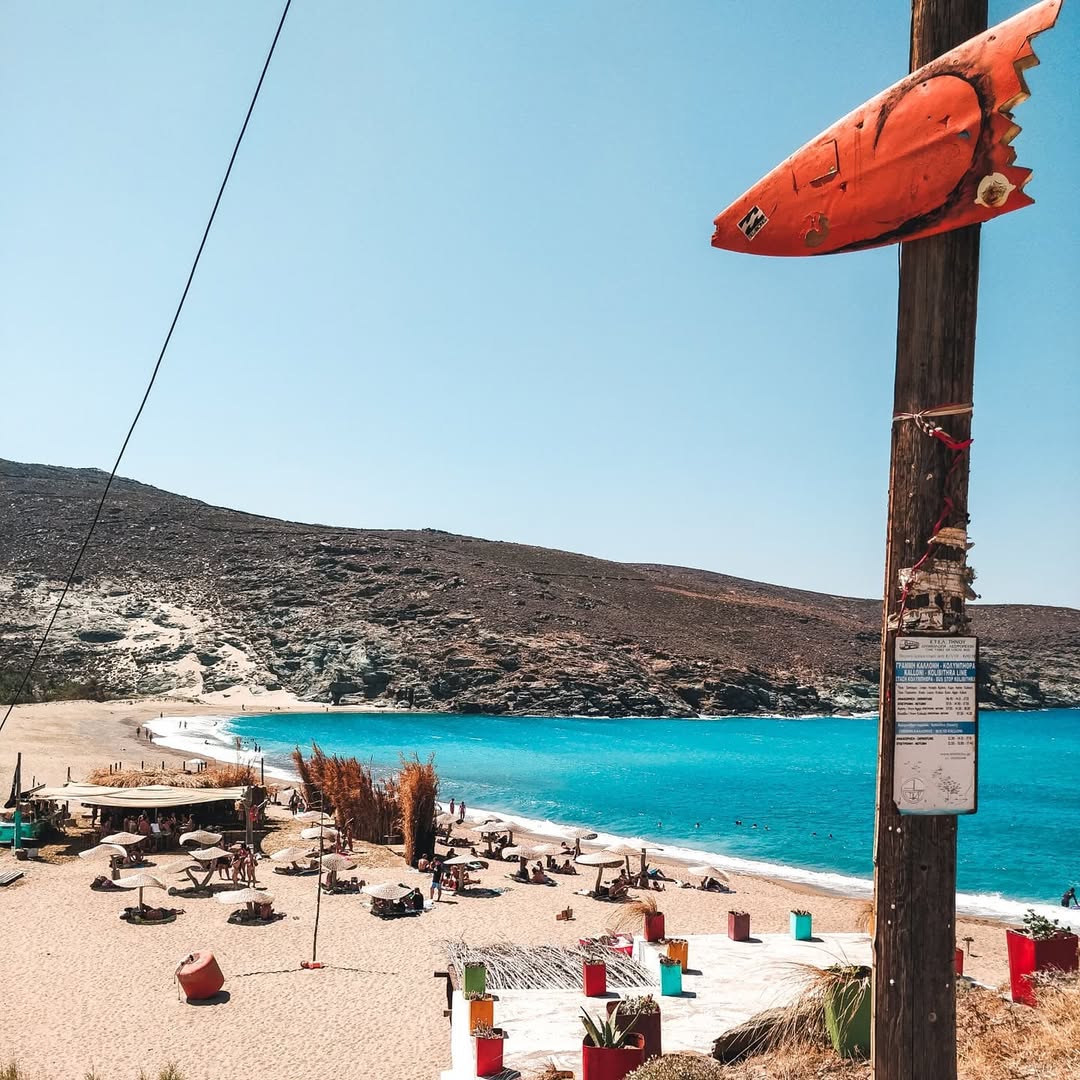
Tinos offers remarkable beach diversity for an island its size. From organized sandy stretches with full amenities to hidden coves accessible only by foot or boat, the island caters to every beach preference. The Cycladic coastline alternates between dramatic cliff formations, gentle bays, and wind-sculpted rock formations that create unique swimming experiences.
The island's beaches divide roughly into northern and southern coasts. Northern beaches like Kolimbithra face the open Aegean and receive summer meltemi winds, creating conditions beloved by windsurfers and wave enthusiasts. Southern beaches like Agios Fokas and Porto enjoy natural wind protection, offering calm swimming even during blustery days.
Seasonal Beach Experience
Beach season in Tinos extends from late May through October, with peak conditions in June, September, and early October. July and August bring the warmest temperatures but also the strongest meltemi winds. September often offers the best combination: warm sea temperatures (24-26°C), minimal winds, and fewer crowds as summer holidays end.
Each season has its character. Early summer (May-June) brings wildflowers to beach approaches and pleasantly warm—not hot—swimming. Peak summer (July-August) suits wind sports enthusiasts and those who love dramatic seas. Autumn (September-October) rewards patient visitors with crystalline calm waters and golden afternoon light.
Swimming Conditions and Safety
Tinos beaches generally offer safe swimming conditions, but awareness of local factors enhances the experience. The meltemi can transform calm bays into challenging swims within hours—always check wind forecasts before heading to northern beaches. Lifeguards are present at organized beaches like Agios Fokas during peak season, but most beaches are unattended.
Rocky beaches and underwater formations require water shoes for comfortable entry. Some beaches have strong afternoon currents when winds pick up. Jellyfish occasionally appear in late summer, though stings are rarely serious. For the safest family swimming, stick to organized southern beaches with gradual sandy entries.
Family vs. Adventurous Beaches
Families with young children should prioritize Agios Fokas (shallow, calm, organized), Kionia (sandy, protected, easy access), and Porto (beautiful bay, gentle waters). These beaches have amenities, nearby parking, and conditions suitable for inexperienced swimmers. Pachia Ammos works well for families seeking wind protection without organization.
Adventure seekers should explore Kolimbithra on windy days (dramatic waves, wind sports), Livada (remote, requires effort to reach), and various unnamed coves along the coast. The hiking trails that connect Isternia to Panormos pass several hidden swimming spots accessible only on foot.
Wind Patterns and Beach Selection
Understanding Tinos's wind patterns transforms beach planning. The meltemi (north wind) typically blows from late June through August, strongest in afternoons. When meltemi readings exceed force 5-6, northern beaches become rough while southern beaches remain swimmable. Our real-time wind advisor helps visitors choose the optimal beach each day.
Locals have their own beach rotation system based on conditions. Many residents keep a mental map: "meltemi today means Agios Fokas; calm day means Kolimbithra." Learning to read conditions—observing whitecaps, feeling wind direction, checking forecast trends—becomes part of the authentic Tinos experience.